
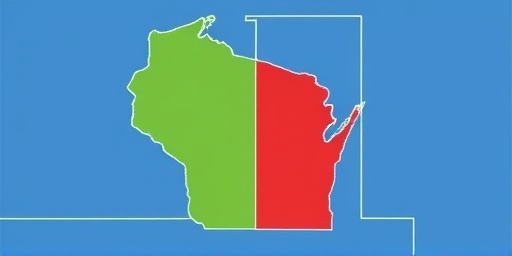
Madison, WI – A bombshell new poll from the Marquette University Law School has exposed a razor-sharp divide among Wisconsin residents on Health care costs, with 55% of Democrats viewing affordability as a crisis compared to just 32% of Republicans. As the state gears up for pivotal legislative sessions, this public opinion chasm is fueling an intense policy debate between competing visions for tackling skyrocketing premiums and out-of-pocket expenses in the battleground Badger State.
- Marquette Poll Uncovers Stark Partisan Rift on Health Care Affordability
- Rising Premiums and Surprise Bills Ignite Voter Frustrations Statewide
- Governor Evers Pushes Public Option to Bridge Affordability Gap
- Republican Lawmakers Counter with Transparency and Competition Reforms
- Legislative Showdown Looms as Swing Voters Hold the Key
The report, released Tuesday, underscores how health care affordability has become a flashpoint issue ahead of the 2024 elections. Wisconsin’s average individual health insurance premium jumped 12% last year to $7,892 annually, outpacing national averages, according to data from the Kaiser Family Foundation. Families are feeling the pinch, with 42% of respondents reporting delayed care due to costs – a figure that crosses party lines but hits independents hardest at 48%.
Marquette Poll Uncovers Stark Partisan Rift on Health Care Affordability
The Marquette University Law School Poll, conducted between October 17-27 with a sample of 1,500 registered Wisconsin voters, paints a vivid picture of division. Overall, 47% of Badger State residents rate their local health care system as “fair” or “poor” on affordability, up from 39% in 2022. But the split is glaring: 68% of Democrats say costs are “out of control,” while only 22% of Republicans agree. Independents fall in the middle at 45%, signaling potential swing voter volatility.
“This isn’t just numbers on a page; it’s real pain at kitchen tables across Wisconsin,” said poll director Charles Franklin. “Public opinion on Health care costs is more polarized than ever, mirroring national trends but amplified in this swing state.” The survey’s margin of error is ±3.2%, making the partisan gap statistically significant.
Demographic breakdowns add layers: Rural voters, who lean Republican, are 15% less likely to blame insurance companies than urban Democrats. Women reported higher concern rates (52%) than men (41%), and those earning under $50,000 annually were twice as likely to skip prescriptions due to price.
Rising Premiums and Surprise Bills Ignite Voter Frustrations Statewide
Behind the numbers lie personal stories amplifying the policy debate. In Milwaukee, single mother Maria Gonzalez shared with reporters, “My insulin costs $300 a month out-of-pocket. I choose between meds and groceries – that’s not affordability; that’s survival.” Her sentiment echoes in a poll finding where 61% of Wisconsinites support banning surprise medical bills, a measure with bipartisan appeal at 58% among Republicans.
State data from the Wisconsin Office of the Commissioner of Insurance reveals Health care costs have surged 28% since 2020, driven by hospital consolidations and drug price hikes. Eau Claire’s hospital merger last year led to a 9% premium spike for local plans. Meanwhile, the state’s rejection of full Medicaid expansion under former Gov. Scott Walker leaves 80,000 low-income residents in a coverage gap, costing the state $1.2 billion in federal funds annually, per estimates from the Milwaukie Journal Sentinel analysis.
Experts like UW-Madison health economist Betina Kozak-Michie note, “Wisconsin’s fragmented system exacerbates affordability woes. Without reform, premiums could rise another 15% by 2025.” A list of key pain points from the poll:
- High-deductible plans forcing 35% to avoid doctor visits.
- Prescription drug costs burdening 29% of seniors.
- ER overuse due to primary care access issues in rural areas.
Governor Evers Pushes Public Option to Bridge Affordability Gap
Democrats, led by Gov. Tony Evers, are seizing on the poll to champion a public option health plan. In a Wednesday press conference, Evers declared, “Wisconsin families can’t wait for market miracles. A public option would cap premiums and expand coverage, directly addressing what voters demand.” His proposal, part of a 2023 budget push, aims to create a state-run insurance plan competing on the ACA marketplace, potentially saving enrollees 20-30% on premiums based on similar models in Washington state.
Supporters cite Colorado’s public option, which reduced rates by 15% since 2023. In Wisconsin, it could cover 200,000 more residents, including gig workers and farmers hit by volatile costs. Evers’ team points to poll data showing 62% overall support for a government-backed plan, including 41% of Republicans – a foothold for bipartisan buy-in.
However, critics warn of taxpayer burdens. The Legislative Fiscal Bureau projects startup costs at $150 million, with ongoing subsidies needed. Evers has rallied allies like Sen. Tammy Baldwin, who tweeted, “Time to put people over profits in Wisconsin’s health care costs crisis.”
Republican Lawmakers Counter with Transparency and Competition Reforms
GOP leaders aren’t backing down, proposing market-driven fixes in the policy debate. Assembly Speaker Robin Vos unveiled a package emphasizing price transparency, direct primary care, and interstate insurance sales. “Government-run health care is a recipe for rationing,” Vos stated at a Green Bay town hall. “Our plan empowers consumers with real-time pricing and competition to drive down health care costs.”
The Republican blueprint draws from Texas’ model, where transparency portals cut procedure costs by 12%. In Wisconsin, it includes mandating hospitals post cash prices online and allowing small businesses to pool for lower group rates. Poll support stands at 54% statewide, with 78% of Republicans on board.
Sen. Ron Johnson, a vocal critic of ACA expansions, added, “Affordability comes from innovation, not more bureaucracy. Wisconsin can lead with reforms that work.” Yet Democrats decry it as insufficient, noting a 2023 GOP bill stalled despite 70% public backing for drug price negotiations.
Comparative table of proposals:
| Aspect | Democrat Public Option | Republican Reforms |
|---|---|---|
| Cost Savings | 20-30% premium cuts | 10-15% via competition |
| Cost to State | $150M initial | Minimal |
| Poll Support | 62% | 54% |
Legislative Showdown Looms as Swing Voters Hold the Key
With the state Legislature convening in January, the policy debate will dominate. A special session on health care affordability is slated, where Evers’ veto power meets a divided Assembly (GOP 64-35, Senate 22-11). Analysts predict horse-trading on surprise billing bans and pharmacy benefit managers as compromise flashpoints.
Swing voters, comprising 22% of the electorate per Marquette, could tip scales. Their 51% concern over costs outpaces partisans, per the poll. National eyes are on Wisconsin, where health care ranked third in voter priorities behind economy and abortion.
Looking ahead, advocacy groups like AARP Wisconsin plan rallies, while business coalitions push employer mandates. If unresolved, experts forecast ballot initiatives by 2026. “This divide tests Wisconsin’s ability to unite on pocketbook issues,” Franklin concluded. As premiums climb toward $9,000 by mid-decade, the Badger State’s public opinion rift demands action – or risks electoral backlash.