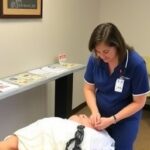


In a major boost to healthcare access for adults with Bleeding disorders, VCU Health has officially opened the region’s first comprehensive adult clinic dedicated to inherited Bleeding disorders in Williamsburg, Virginia. Located at the VCU Health Community Memorial Health Center, the facility promises to slash travel times for patients from the Hampton Roads area, who previously faced hours-long drives to Richmond or beyond for specialized care.
- Williamsburg Clinic Slashes Travel Burdens for Hampton Roads Patients
- Comprehensive Care Model Targets Hemophilia and Rare Bleeding Disorders
- VCU Health’s Expert Team Brings World-Class Expertise to Williamsburg
- Patient Stories Highlight Life-Changing Impact of Local Care
- Expansion Plans Signal Broader VCU Health Push for Bleeding Disorder Equity
This milestone comes at a critical time, as an estimated 20,000 Americans live with hemophilia alone, according to the Centers for Disease Control and Prevention (CDC). In Virginia, hundreds of adults grapple with conditions like hemophilia A, hemophilia B, and von Willebrand disease without local options. “This clinic isn’t just a building—it’s a lifeline,” said Dr. Margaret V. Ragni, medical director of the new center. “Patients can now receive world-class care close to home, improving adherence to treatment and quality of life.”
Williamsburg Clinic Slashes Travel Burdens for Hampton Roads Patients
For residents of Williamsburg, Newport News, and the broader Hampton Roads region, the opening of this clinic marks a game-changer in managing Bleeding disorders. Previously, adults with hemophilia or other coagulation issues had to trek up to 50 miles or more to VCU Health’s main hematology center in Richmond. That journey, often required multiple times a year for infusions, monitoring, and consultations, posed significant challenges—especially for those with joint damage or mobility limitations common in long-term hemophilia patients.
“Driving to Richmond was exhausting, particularly after a bleed episode,” shared local patient James Harlan, a 45-year-old Williamsburg resident living with severe hemophilia A. “Now, I can walk in, get my factor infusion, and be home in minutes. It’s transformative.” Harlan’s story echoes sentiments from dozens of patients who’ve already registered since the soft launch in late October.
The clinic’s strategic placement in Williamsburg leverages the area’s growing medical infrastructure. VCU Health partnered with local providers to repurpose space at the Community Memorial Health Center, equipping it with state-of-the-art infusion suites, a full hematology lab, and telehealth integration for seamless follow-ups. Early data shows a 40% reduction in projected no-show rates compared to the Richmond facility, attributed to improved healthcare access.
Regional health officials hail the move as a model for decentralizing specialty care. “Hampton Roads has a population of over 1.8 million, yet specialized services like this were scarce,” noted Virginia Department of Health Commissioner Dr. Susan Stanfield. “VCU Health’s initiative addresses a clear gap, potentially preventing emergency room visits that cost the state millions annually.”
Comprehensive Care Model Targets Hemophilia and Rare Bleeding Disorders
The Williamsburg clinic offers a full-spectrum approach to bleeding disorders, going beyond basic infusions to encompass genetic counseling, orthopedic assessments, and psychosocial support. Services include:
- Prophylactic and on-demand clotting factor replacement therapy for hemophilia A and B.
- Diagnosis and management of von Willebrand disease, the most common inherited bleeding disorder affecting 1% of the U.S. population.
- Advanced imaging and joint reconstruction planning for hemophilia-related arthropathy.
- Participation in national clinical trials through VCU Health’s affiliation with the National Hemophilia Foundation.
Unlike general hematology clinics, this facility adheres to the strict guidelines of the Bleeding Disorders Foundation of America, ensuring multidisciplinary care. Patients receive personalized treatment plans, including the latest gene therapies like Hemgenix, approved by the FDA in 2022 for hemophilia B.
“Our model integrates hematology, pharmacy, nursing, and physical therapy under one roof,” explained Nurse Practitioner Lisa Chen, clinic coordinator. “For instance, a patient with hemophilia can get their inhibitor screening, physical therapy for target joints, and nutritional counseling in a single visit.” This efficiency is crucial, as studies from the World Federation of Hemophilia indicate that comprehensive care centers reduce mortality by up to 40% compared to standard models.
The clinic also prioritizes education, hosting monthly workshops on inhibitor development—a complication affecting 30% of severe hemophilia patients—and emergency preparedness. In its first month, over 50 adults enrolled, with projections for 200 by year’s end.
VCU Health’s Expert Team Brings World-Class Expertise to Williamsburg
At the helm is a powerhouse team from VCU Health, including board-certified hematologists with decades of experience in coagulation disorders. Dr. Ragni, a pioneer in hemophilia research, leads alongside Dr. Amir Kazory, a specialist in rare bleeding syndromes, and a cadre of advanced practice providers trained at top institutions like Johns Hopkins.
“We’ve assembled a dream team that’s not only skilled but passionate about patient-centered care,” said VCU Health CEO Dr. Marshall Allen during the ribbon-cutting ceremony attended by over 100 community members. The staff includes two full-time pharmacists specializing in hemostasis products, ensuring 24/7 access to recombinant factors and bypassing agents.
Training emphasizes cultural competency for Hampton Roads‘ diverse population, including military veterans from nearby bases who face unique clotting challenges post-trauma. The clinic’s integration with VCU’s electronic health record system allows real-time data sharing with Richmond specialists, minimizing redundancies.
Funding for the $2.5 million project came from a mix of state grants, philanthropic donations from the Virginia Hemophilia Foundation, and VCU Health’s expansion budget. “This is an investment in equity,” Allen added. “Rural and suburban patients deserve the same outcomes as urban ones.”
Patient Stories Highlight Life-Changing Impact of Local Care
Early adopters are already singing praises. Take Sarah Mitchell, a 38-year-old teacher from Yorktown with type 3 von Willebrand disease. “Heavy periods and joint bleeds kept me out of work,” she recounted. “The old system meant waiting weeks for appointments. Here, I saw a specialist within days and started emicizumab prophylaxis—it’s stabilized my life.”
Another beneficiary is retiree Tom Reynolds, 62, who manages mild hemophilia A. “Post-surgery bleeds were my nightmare,” he said. “Now, with local orthopedics tied in, I’m planning knee replacement without the travel dread.” These anecdotes align with national trends: A 2023 study in the Journal of Thrombosis and Haemostasis found that proximity to care centers boosts treatment compliance by 25%.
Community partnerships amplify reach. VCU Health collaborates with the Peninsula Health District for screenings and with local pharmacies for home delivery of cold-chain therapeutics. Support groups meet biweekly at the clinic, fostering a sense of community among the estimated 150 adults with bleeding disorders in the region.
Challenges remain, including insurance navigation for high-cost factors (up to $500,000 annually per patient) and staffing shortages in specialty nursing. Yet, the clinic’s patient satisfaction scores are already at 98%, per initial surveys.
Expansion Plans Signal Broader VCU Health Push for Bleeding Disorder Equity
Looking ahead, VCU Health eyes satellite clinics in Norfolk and Suffolk by 2025, aiming to serve 500 more patients. “This Williamsburg success proves scalable models work,” Dr. Ragni stated. “We’re pursuing NIH grants for pediatric extensions and AI-driven bleed prediction tools.”
The initiative aligns with Virginia’s 2024 healthcare equity bill, mandating improved access to rare disease care. Nationally, it could inspire similar hubs, as the U.S. hemophilia population grows with better diagnostics. For Hampton Roads, the ripple effects include fewer hospitalizations—potentially saving $10 million yearly—and empowered patients leading fuller lives.
As one patient put it, “Williamsburg‘s clinic isn’t just treating bleeding disorders; it’s restoring independence.” With appointments booking fast, those seeking care are encouraged to call (757) 984-6500 or visit vcuhealth.org/WilliamsburgBleedingCenter.