

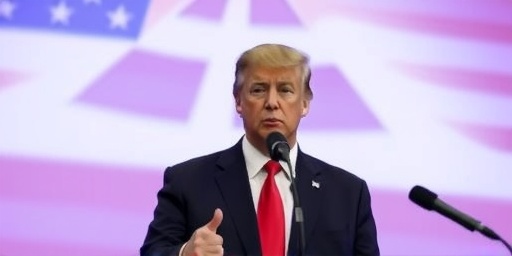
In a bold escalation of transatlantic trade tensions, the United States has formally demanded that the European Union overhaul its stringent digital laws before any relief on steel tariffs can be considered. This linkage of digital regulations to longstanding steel import duties marks a new chapter in the ongoing US-EU trade negotiations, potentially reshaping economic relations across the Atlantic.
Linking Digital Overreach to Steel Tariff Standoff
The US position, articulated by high-level officials in Washington, stems from frustrations over what American policymakers describe as the EU’s ‘unbalanced’ digital sector regulations. These laws, including the Digital Markets Act (DMA) and Digital Services Act (DSA), have been criticized for imposing heavy compliance burdens on US tech giants like Google, Apple, and Meta. In exchange for easing the 25% tariffs on European steel imports—imposed during the Trump administration and largely retained under Biden—the US is pushing for reforms that would create a more level playing field for digital innovation and cross-border data flows.
According to a statement from the US Trade Representative’s office, ‘The EU must address asymmetries in its digital laws that disadvantage American companies and stifle global trade. Only then can we move forward on reciprocal measures like tariff reductions.’ This demand was first floated during a virtual summit last week, where US negotiators tied the steel tariffs—originally enacted in 2018 under Section 232 of the Trade Expansion Act citing national security—to broader trade imbalances.
European steel exports to the US, valued at approximately €4.5 billion annually before the tariffs, have plummeted by over 40% since their imposition, according to Eurostat data. The tariffs not only hit producers in countries like Germany and Italy but also ripple through supply chains, affecting automotive and construction sectors. US officials argue that revising digital laws could unlock billions in mutual economic benefits, estimating that fairer regulations might boost US-EU digital trade by 15-20% within five years, per a recent Brookings Institution report.
EU’s Digital Laws Under Fire: Key Provisions at Stake
At the heart of the dispute are the EU’s flagship digital laws, which aim to curb the dominance of Big Tech but have drawn accusations of protectionism from Washington. The DMA, effective since 2023, requires gatekeeper platforms to allow third-party app stores and sideloading, while the DSA mandates transparency in content moderation and algorithmic decision-making. US critics, including the Information Technology and Innovation Foundation (ITIF), claim these rules could cost American firms up to $200 billion in lost revenue over the next decade by fragmenting the digital single market.
‘These digital laws are essential for protecting consumers and fostering competition, but they must evolve to support innovation without erecting barriers to trade,’ said EU Trade Commissioner Valdis Dombrovskis in response to the US demands. However, Brussels has so far resisted major changes, viewing the regulations as a model for global digital governance. Internal EU documents leaked to Reuters suggest that any concessions could face backlash from member states like France and Ireland, where tech investments are significant.
Statistics underscore the stakes: The EU digital economy accounts for 8.5% of its GDP, compared to 10% in the US, with cross-Atlantic data flows exceeding $7 trillion yearly, as reported by the European Commission. US negotiators are specifically calling for exemptions on data localization requirements and streamlined merger reviews under the DMA, arguing that current provisions hinder AI and cloud computing advancements critical to both economies.
Reviving the Steel Tariffs Saga: From Trump to Biden
The steel tariffs have been a flashpoint in US-EU trade relations since 2018, when President Trump invoked national security to slap 25% duties on steel and 10% on aluminum from the EU. In retaliation, the EU imposed countermeasures on $3.2 billion of US goods, including bourbon, motorcycles, and jeans, escalating into a tit-for-tat trade war. A temporary truce in 2021 under the Biden administration suspended the tariffs through 2023, but quotas and monitoring persisted, leaving European exporters in limbo.
Recent data from the US International Trade Commission shows that EU steel imports have stabilized at around 3.5 million metric tons annually under quota limits, down from pre-tariff peaks of 5.2 million tons. Yet, industry groups like the American Iron and Steel Institute argue that full tariff removal without concessions elsewhere would undermine domestic production, which employs over 80,000 workers. ‘Steel tariffs are non-negotiable leverage in our broader trade strategy,’ a US Commerce Department spokesperson told Bloomberg.
Negotiations have intensified amid global supply chain pressures from the Ukraine war and energy crises, which have spiked European steel prices by 30% year-over-year. EU steelmakers, represented by Eurofer, warn that prolonged tariffs could lead to 50,000 job losses across the bloc, exacerbating economic woes in rust-belt regions of Belgium and Spain.
Stakeholder Reactions: Tech Giants, Steel Producers, and Policymakers Clash
The US demands have elicited a spectrum of responses from key stakeholders. US tech leaders, long vocal about EU digital laws, see an opportunity for relief. ‘Harmonizing regulations would supercharge innovation and trade between the US and EU,’ said Sundar Pichai, CEO of Alphabet, in a LinkedIn post. Conversely, European digital rights advocates like Max Schrems of NOYB argue that softening the laws could erode privacy protections for 450 million EU citizens.
On the steel front, US manufacturers applaud the linkage. ‘It’s smart diplomacy—using tariffs to force fair play in digital trade,’ commented Thomas J. Gibson, president of the American Institute for International Steel. EU counterparts are more circumspect; ArcelorMittal, the world’s largest steelmaker with heavy EU operations, urged swift resolution in a press release, noting that ‘unresolved tariffs distort markets and fuel inflation.’
Policymakers on both sides are maneuvering. In Congress, bipartisan support for the US stance is evident, with a recent Senate resolution calling for ‘reciprocal digital market access.’ EU Parliament members, however, passed a non-binding motion last month affirming the DMA’s role in ‘strategic autonomy,’ signaling resistance. Trade experts, such as those at the Peterson Institute for International Economics, predict that without compromise, retaliatory measures could shave 0.5% off EU GDP growth by 2025.
Path Forward: Implications for Global Trade Dynamics
As negotiations enter a critical phase, with a target resolution by mid-2024, the US-EU dialogue could set precedents for international trade norms. Success might pave the way for a mini-trade deal encompassing digital services, potentially adding $100 billion to bilateral trade volumes, according to WTO projections. Failure, however, risks renewed tariffs and WTO disputes, complicating alliances amid US-China rivalry.
Looking ahead, upcoming talks in Geneva under WTO auspices will test both sides’ willingness to compromise. The US has hinted at phased tariff reductions if digital law pilots—such as mutual recognition of data standards—are implemented. For the EU, balancing sovereignty with economic pragmatism will be key, especially as it eyes deeper ties with Indo-Pacific partners.
Ultimately, this standoff highlights the intertwined nature of steel tariffs and digital laws in modern trade. Resolving it could foster a more resilient transatlantic partnership, benefiting consumers, businesses, and innovators on both sides of the ocean. Stakeholders watch closely, as the outcome may redefine how global powers navigate the nexus of manufacturing and technology in the 21st century.