
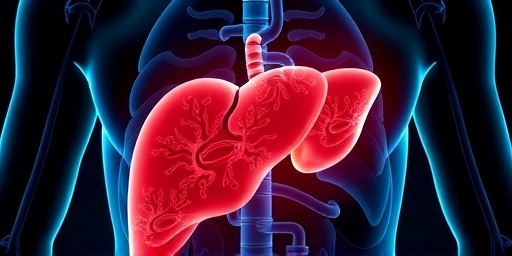
Washington, DC – In a startling revelation shaking the Health landscape, a surprisingly common liver disease is silently affecting millions of Americans, often going undetected until it spirals into life-threatening conditions. Experts from the American Liver Foundation estimate that nearly 100 million U.S. adults – about one in three – are grappling with non-alcoholic fatty liver disease (NAFLD), now increasingly referred to as metabolic dysfunction-associated steatotic liver disease (MASLD). This condition, characterized by excessive fat accumulation in the liver unrelated to alcohol consumption, has emerged as the most prevalent chronic liver disorder in the nation.
- NAFLD’s Alarming Spread: From 80 Million Cases in 2000 to 100 Million Today
- Obesity and Diabetes: The Primary Culprits Behind Liver Fat Invasion
- Hidden Symptoms Mask the Progression to Irreversible Damage
- Diagnostic Advances and Promising Treatments on the Horizon
- Public Health Campaigns and Lifestyle Shifts to Stem the Tide
The disease’s insidious nature means most sufferers experience no symptoms for years, fostering a false sense of security amid rising obesity and diabetes rates. ‘It’s a ticking time bomb in the bodies of millions,’ warns Dr. Arun Sanyal, a leading hepatologist at Virginia Commonwealth University. ‘What starts as a benign fat buildup can progress to inflammation, scarring, and even liver failure if ignored.’
Recent data from the Centers for Disease Control and Prevention (CDC) underscores the scale: NAFLD prevalence has doubled over the past two decades, paralleling the obesity epidemic. With over 40% of U.S. adults now obese, the liver disease affects disproportionate numbers in certain demographics, including Hispanics (45% prevalence) and those with type 2 diabetes (up to 70%). This strong correlation highlights a public Health emergency demanding immediate attention.
NAFLD’s Alarming Spread: From 80 Million Cases in 2000 to 100 Million Today
The surge in this surprisingly common liver disease paints a grim picture of America’s metabolic Health. A landmark study published in the Journal of the American Medical Association (JAMA) in 2023 analyzed national health surveys and found NAFLD now impacts 33.5% of U.S. adults, up from 25% just two decades ago. In raw numbers, that’s an explosion from roughly 65 million cases in 2000 to over 100 million today, affecting millions more than previously thought.
Geographically, the disease hits hardest in the South and Midwest, where lifestyle factors like high-sugar diets and sedentary habits prevail. For instance, states like Mississippi and West Virginia report NAFLD rates exceeding 40%, according to CDC mapping data. Children aren’t spared either; pediatric NAFLD cases have tripled since 1990, now affecting 10% of adolescents, per a report from the National Institute of Diabetes and Digestive and Kidney Diseases (NIDDK).
- Key Statistics:
- 100+ million U.S. adults affected (33-38% prevalence)
- 5-10% progress to non-alcoholic steatohepatitis (NASH), the inflammatory stage
- 20% of NASH cases lead to cirrhosis within 10 years
- Annual economic burden: $100+ billion in healthcare costs
‘The numbers are staggering and still climbing,’ says epidemiologist Dr. Rohit Loomba from UC San Diego. ‘This disease affects millions because it’s intertwined with modern lifestyles – processed foods, inactivity, and metabolic syndrome.’
Obesity and Diabetes: The Primary Culprits Behind Liver Fat Invasion
At the heart of this common liver disease lies a perfect storm of risk factors, with obesity standing as the strongest predictor. Over 70% of obese individuals harbor NAFLD, as excess body fat prompts the liver to store triglycerides abnormally. Type 2 diabetes amplifies the risk exponentially; studies show 55-75% of diabetics have the condition, where insulin resistance starves liver cells of energy, forcing fat hoarding.
Other contributors include high cholesterol, metabolic syndrome (affecting 34% of adults), and even certain medications like steroids or tamoxifen. Genetics play a role too – variations in the PNPLA3 gene increase susceptibility, particularly among Hispanic and Native American populations.
- Top Risk Factors:
- Obesity (BMI >30): 75% NAFLD risk
- Type 2 diabetes: 60-70% prevalence
- High triglycerides: Doubles odds
- Sedentary lifestyle: 50% higher incidence
- Age 50+: Prevalence rises to 45%
Environmental toxins and gut microbiome imbalances are emerging culprits, per recent research in Hepatology. ‘It’s not just what you eat, but how your body processes it,’ notes nutrition expert Dr. Krista Varady from the University of Illinois. ‘Fructose from sugary drinks directly assaults the liver, mimicking alcohol’s effects.’
A 2024 cohort study tracking 5,000 participants revealed that even moderate weight gain of 10 pounds over five years boosted NAFLD odds by 40%. This underscores how everyday choices propel the disease’s spread, affecting millions who view themselves as ‘healthy.’
Hidden Symptoms Mask the Progression to Irreversible Damage
Why does this liver disease evade detection in millions? Its symptoms are deceptively mild or absent in early stages. Fatigue, vague right-upper abdominal discomfort, and mild pain are often dismissed as stress or indigestion. By the time jaundice, ascites, or confusion from liver failure appear, 20-30% have advanced fibrosis or cirrhosis.
Progression timeline is harrowing: 10-20% of NAFLD cases evolve to NASH within 5-10 years, with 20% of those advancing to cirrhosis. Alarmingly, NASH-related liver cancer has quadrupled since 2000, now surpassing hepatitis C as a leading cause, per American Cancer Society data.
Women face unique risks post-menopause due to estrogen decline, while men with ‘skinny fat’ phenotypes – normal weight but high visceral fat – are increasingly diagnosed. A poignant case: 45-year-old teacher Maria Gonzalez from Texas shared, ‘I felt fine until my routine checkup showed cirrhosis. NAFLD had been brewing for years without warning.’
Diagnostic delays compound the crisis. Only 5% of at-risk individuals get screened annually, despite AASLD guidelines recommending liver enzyme tests and ultrasounds for high-risk groups.
Diagnostic Advances and Promising Treatments on the Horizon
Hope glimmers through innovation. Non-invasive tools like FibroScan (vibration-controlled elastography) and MRI-PDFF now detect fat and fibrosis with 90% accuracy, bypassing risky biopsies. Blood-based biomarkers, such as the Enhanced Liver Fibrosis (ELF) score, are gaining FDA traction for early flagging.
Treatment remains lifestyle-centric: 7-10% weight loss via diet and exercise reverses NAFLD in 80% of cases. The Mediterranean diet, rich in veggies, fish, and olive oil, slashes progression risk by 40%, per a New England Journal of Medicine trial. GLP-1 agonists like semaglutide (Wegovy) show 50% fat reduction in liver trials, exciting hepatologists.
Pipeline drugs shine brighter: Resmetirom, FDA-approved in 2024 for NASH, reduces fibrosis by 25%. Obeticholic acid and lanifibranor are in phase 3, targeting inflammation. ‘We’re moving from symptom management to disease modification,’ enthuses Dr. Zobair Younossi, Global NASH Council chair. Gene therapies and microbiome modulators loom as future game-changers.
Yet access barriers persist; only 20% of insured patients receive specialist referrals, per a 2023 Health Affairs study.
Public Health Campaigns and Lifestyle Shifts to Stem the Tide
As NAFLD affects millions, proactive measures offer salvation. The CDC’s ‘Know Your Risk’ initiative, launched in 2024, promotes free online risk calculators and community screenings. States like California mandate NAFLD education in diabetes clinics, catching cases early.
Individuals can act now:
- Cut sugary drinks: Reduce intake by 50% for 30% lower risk
- Exercise 150 minutes weekly: Burns liver fat effectively
- Screen if at-risk: Ask for ALT/AST tests
- Adopt plant-based eating: Halves progression rates
Looking ahead, experts predict AI-driven predictive models will personalize prevention by 2030, potentially halving new cases. Federal funding for liver research hit $500 million in 2024, fueling trials. ‘With awareness and action, we can reclaim liver health for millions,’ Dr. Sanyal concludes. The battle against this surprisingly common foe is winnable – but it starts today.