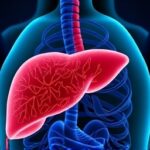

A surprisingly common liver disease affects millions of Americans, lurking silently in up to 30% of adults without causing noticeable symptoms until it’s potentially too late. Health experts warn that non-alcoholic fatty liver disease (NAFLD), now often called metabolic dysfunction-associated steatotic liver disease (MASLD), has reached epidemic proportions, impacting an estimated 80 to 100 million people nationwide. This strong public Health threat is fueled by rising obesity rates, type 2 diabetes, and sedentary lifestyles, making it one of the most prevalent chronic conditions in the US.
- 80 Million Undiagnosed: NAFLD’s Stealthy Invasion of American Livers
- Obesity and Diabetes Fuel NAFLD’s Rapid Rise Across the US
- From Silent Fat Buildup to Deadly Cirrhosis: NAFLD’s Dangerous Progression
- Experts Demand Expanded Screening to Catch Liver Disease Early
- New Drugs and Lifestyle Overhauls Promise Hope Against Fatty Liver Epidemic
Recent data from the Centers for Disease Control and Prevention (CDC) and the American Association for the Study of Liver Diseases (AASLD) highlight the alarming scale: NAFLD prevalence has doubled in the last three decades, with cases surging among younger demographics. “It’s the silent killer of the liver,” says Dr. Rohit Loomba, a leading hepatologist at UC San Diego. “Many patients discover it during routine checkups for unrelated issues, by which time damage may already be advanced.”
80 Million Undiagnosed: NAFLD’s Stealthy Invasion of American Livers
The sheer number of affected individuals underscores why NAFLD is described as surprisingly common. According to a 2023 study published in The Lancet Gastroenterology & Hepatology, nearly one in three US adults harbors excess fat in their liver, a hallmark of this disease. This translates to roughly 80 million people, with projections indicating it could affect over 100 million by 2030 if trends continue.
What makes NAFLD so pervasive? Unlike viral hepatitis or alcohol-related liver damage, NAFLD develops independently of heavy drinking. Fat accumulates in liver cells due to metabolic imbalances, often linked to insulin resistance. The CDC reports that 70% of obese individuals and 90% of those with type 2 diabetes have some degree of liver fat buildup.
- Prevalence by demographics: Highest rates among Hispanics (45%), followed by non-Hispanic whites (33%) and Blacks (24%).
- Children and teens: Up 5-fold since 1988, now affecting 10% of adolescents.
- Urban vs. rural: Similar rates, but diagnosis lags in underserved areas.
“This disease doesn’t discriminate,” notes epidemiologist Dr. Arun Sanyal from Virginia Commonwealth University. “It’s democratizing liver disease across socioeconomic lines.” A strong correlation exists with the obesity epidemic; the National Health and Nutrition Examination Survey (NHANES) data shows NAFLD rates mirroring BMI increases, from 15% in the 1990s to over 30% today.
Underdiagnosis remains a critical issue. Only about 20% of cases are identified annually, per AASLD estimates, leaving millions at risk of progression. Routine blood tests often miss it, as liver enzymes like ALT may stay normal in early stages.
Obesity and Diabetes Fuel NAFLD’s Rapid Rise Across the US
At the heart of this liver disease crisis are modifiable risk factors that health officials say are driving its explosive growth. Obesity, affecting 42% of US adults per CDC figures, is the strongest predictor. Excess body fat, particularly visceral fat around the abdomen, floods the liver with free fatty acids, triggering inflammation and fat storage.
Type 2 diabetes exacerbates the problem, with 60-70% of patients developing NAFLD. “Insulin resistance is the common thread,” explains Dr. Mary Rinella, AASLD president. “It impairs the liver’s ability to process fats, leading to steatosis.” Other contributors include high cholesterol, metabolic syndrome (present in 34% of adults), and even certain medications like steroids.
- Key risk amplifiers: Rapid weight gain, poor diet high in fructose (sugary drinks contribute 30% of cases), and physical inactivity.
- Unexpected links: Sleep apnea (50% overlap), polycystic ovary syndrome (PCOS) in women, and hypothyroidism.
- Genetic factors: Variants like PNPLA3 increase susceptibility by 2-3 times in certain ethnic groups.
A 2024 JAMA study analyzed 5,000 participants, finding that each 5% increase in body fat raised NAFLD odds by 40%. Surprisingly, “skinny fat” individuals—normal weight but high internal fat—account for 20% of cases, challenging the overweight-only narrative. Public health campaigns, like those from the NIH, emphasize that this disease affects millions regardless of appearance, urging broader awareness.
From Silent Fat Buildup to Deadly Cirrhosis: NAFLD’s Dangerous Progression
While early NAFLD is reversible, 20-30% progress to non-alcoholic steatohepatitis (NASH), involving inflammation and cell damage. Of these, 20% advance to fibrosis, cirrhosis, liver failure, or hepatocellular carcinoma—the third-leading cause of cancer deaths in under-50s.
Statistics paint a grim picture: By 2030, NASH could surpass hepatitis C as the top reason for liver transplants, per a Boston University model predicting 1 million new cases yearly. Annual US deaths from advanced NAFLD exceed 50,000, with costs topping $100 billion in healthcare and lost productivity.
Symptoms, when they appear, are nonspecific: fatigue, abdominal pain, or jaundice in late stages. Diagnosis relies on imaging (ultrasound detects 80% of cases), FibroScan for stiffness, or biopsy for confirmation. “We need non-invasive tools,” says Dr. Loomba, whose research on MRI-PDFF has improved early detection accuracy to 95%.
Real-world impact: A Cleveland Clinic review of 10,000 patients showed 15% of NAFLD cases had undetected cirrhosis at diagnosis, emphasizing the urgency.
Experts Demand Expanded Screening to Catch Liver Disease Early
In response to the crisis, medical bodies are pushing for change. The AASLD now recommends screening all obese adults and diabetics with vibration-controlled elastography or blood biomarkers like FIB-4 scores. “Screening high-risk groups could prevent 50% of progressions,” asserts Dr. Rinella.
Government initiatives include CDC’s NAFLD Action Plan, funding awareness in primary care. Quotes from patients highlight the stakes: “I was 42, fit-looking, but my liver scan showed stage 2 fibrosis,” shares Sarah M., a Texas teacher participating in clinical trials.
Private sector steps up too: Companies like Sonic Inc. offer at-home FibroScan kits, while apps track liver-healthy habits. Challenges persist in access; rural areas see 40% lower screening rates.
New Drugs and Lifestyle Overhauls Promise Hope Against Fatty Liver Epidemic
Treatment horizons brighten with FDA approvals like resmetirom (Rezdiffra) in 2024—the first NASH-specific drug—reducing liver fat by 30% in trials. GLP-1 agonists (e.g., semaglutide) show 50-80% fat reduction via weight loss. Over 100 drugs in pipeline target fibrosis reversal.
Lifestyle remains cornerstone: 7-10% weight loss via Mediterranean diet, exercise (150 min/week), and limiting sugars reverses 90% of early NAFLD. Studies like the LOOK AHEAD trial confirm sustained remission in 60% of adherents.
Looking ahead, experts foresee AI-driven risk calculators in electronic health records flagging millions for intervention. Public-private partnerships aim to halve prevalence by 2040 through policy like sugar taxes and school nutrition reforms. “This is preventable,” Dr. Sanyal concludes. “With action now, we can avert a liver health catastrophe.”