

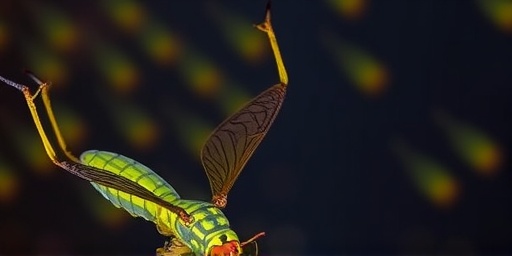
In a dazzling display that’s captivating summer evenings, fireflies are appearing in greater numbers than expected across New York and the broader Northeast this year, even as global populations continue their troubling decline. This unexpected uptick, confirmed through a blend of high-tech Science and dedicated community research, offers a glimmer of hope amid broader environmental concerns. Scientists and enthusiasts alike are buzzing with questions: What’s driving this local resurgence, and what does it mean for the future of these bioluminescent wonders?
The phenomenon highlights the intricate balance of ecosystems, where local conditions can buck larger trends. As firefly season peaks, reports from backyard observers and professional researchers paint a picture of resilience in an otherwise challenging landscape for the glowing insects. This Science news story underscores how innovative tools and grassroots efforts are illuminating the path to conservation.
Northeast Firefly Boom Bucks National Decline Trends
Across the United States and much of the world, firefly populations have been dwindling for decades, with estimates suggesting a loss of up to 50% in some regions over the past 20 years. Pesticide use, habitat destruction from urbanization, and light pollution are primary culprits, dimming the once-vibrant summer skies. Yet, in New York and surrounding Northeastern states like Pennsylvania and New Jersey, sightings are up this summer—sometimes by as much as 30% compared to recent averages, according to preliminary data from the Firefly Atlas project.
"It’s remarkable to see so many fireflies lighting up the nights here," said Dr. Sara Lewis, a biologist at Tufts University and leading expert on firefly ecology. "While the overall trend is downward, these local hotspots remind us that targeted conservation can make a difference." Her words echo reports from citizen scientists who, through apps and community surveys, have logged thousands of observations since June.
This surge isn’t uniform; it’s concentrated in rural and suburban areas with preserved wetlands and meadows. In urban centers like New York City, pockets of green space in parks such as Central Park have become impromptu firefly havens, drawing crowds of amazed onlookers. The contrast with declining numbers in the Midwest and South—where agricultural intensification has ravaged habitats—highlights regional variations in environmental pressures.
Fireflies, belonging to the family Lampyridae, number over 2,000 species worldwide, but in North America, about 170 varieties flicker in the dark. The common Eastern firefly (Photinus pyralis) is the star of this Northeast show, its synchronized flashes creating a natural light show that’s both mesmerizing and ecologically vital. These insects play a key role in controlling pest populations and serving as indicators of environmental health; their decline signals broader biodiversity threats.
High-Tech Tools Illuminate Hidden Firefly Dynamics
Advancements in technology are revolutionizing how we study these elusive beetles, turning anecdotal sightings into robust datasets. Researchers are employing high-tech solutions like drone-mounted cameras and AI-driven image recognition to map firefly distributions with unprecedented precision. In one innovative project led by the Smithsonian Institution, thermal imaging drones have captured heat signatures from firefly congregations, revealing mating patterns invisible to the naked eye.
"Through high-tech Science, we’re decoding the language of light that fireflies use to communicate," explained Dr. Avalon Owens, a postdoctoral researcher at Harvard’s Museum of Comparative Zoology. Her team’s work uses spectrometers to analyze the exact wavelengths of bioluminescent flashes, which vary by species and can indicate health or stress levels. This data is crucial for understanding why Northeast populations are thriving while others fade.
Bioacoustic sensors, another cutting-edge tool, record the subtle sounds fireflies make during courtship—clicks and buzzes that complement their glow. Deployed in New York state parks, these devices have collected over 10,000 audio samples this season, feeding into machine learning algorithms that predict population shifts. Such tech not only enhances accuracy but also scales up monitoring efforts across vast areas, from urban fringes to remote woodlands.
In the world of science news, these innovations are making headlines by bridging the gap between lab research and real-world application. For instance, a collaborative effort between NASA-inspired satellite imagery and ground-based sensors tracks land-use changes affecting firefly habitats. The results? Clear links between preserved green corridors and higher sighting rates in the Northeast, where reforestation initiatives have inadvertently boosted suitable breeding grounds.
Community Research Fuels Grassroots Firefly Revival
While high-tech plays a starring role, it’s the power of community research that has truly amplified this story. Organizations like Firefly Watch, a citizen science program run by the Museum of Science in Boston, have engaged over 5,000 volunteers this year alone. Participants use simple protocols—observing 15-minute windows on warm, humid evenings—to report flash patterns, density, and locations via a user-friendly app.
"They—the everyday observers—are the eyes and ears of this research," noted program coordinator Emily Saarinen. "Without community input, we’d miss these micro-trends that tech alone can’t capture." In New York, local chapters of the Xerces Society for Invertebrate Conservation have organized "firefly hunts," where families learn to identify species and contribute data. These events have not only gathered vital articles of evidence but also fostered a sense of stewardship among participants.
The synergy between tech and community is evident in projects like the Global Firefly Network, which aggregates data from apps worldwide. In the Northeast, this has revealed that community-led habitat restorations—such as reducing lawn pesticides and planting native wildflowers—correlate directly with the current boom. One standout example: A suburban neighborhood in Westchester County, New York, banned outdoor lighting during peak season, resulting in a 40% increase in firefly density, as measured by volunteer transects.
This collaborative approach extends to educational outreach, with schools incorporating firefly monitoring into curricula. Students in Northeast classrooms are using low-cost LED detectors to quantify light pollution’s impact, contributing to peer-reviewed articles that blend youthful enthusiasm with scientific rigor. Such initiatives are democratizing science news, making world-class research accessible and actionable for all.
Persistent Threats Shadow Firefly’s Glowing Future
Despite the encouraging Northeast surge, the broader narrative for fireflies remains one of caution. Climate change exacerbates vulnerabilities, with warmer nights disrupting larval development cycles and altered rainfall patterns drying out essential wetland habitats. In the U.S., the Environmental Protection Agency reports that neonicotinoid pesticides, widely used in agriculture, reduce firefly reproduction by up to 70% in exposed areas.
Urban sprawl compounds these issues; a study published in the journal Conservation Biology estimates that habitat loss has fragmented firefly populations, isolating genetic pools and increasing extinction risks. Globally, species in Asia and Europe face similar pressures from deforestation and pollution, with the European firefly (Luciola lusitanica) listed as vulnerable by the IUCN Red List.
Expert quotes underscore the urgency. "This Northeast anomaly is a wake-up call," warned Dr. Lewis. "Local successes show what’s possible, but without addressing systemic threats, we risk losing these icons of summer forever." Data from the International Union for Conservation of Nature indicates that 18 firefly species are now threatened worldwide, a stark reminder that science must translate into policy.
In the context of world science articles, fireflies serve as a microcosm for insect apocalypse concerns. Entomologists estimate a 25% global decline in insect biomass since 1990, with fireflies as poignant symbols. Light pollution, often overlooked, scatters mating signals; a Cornell University study found that artificial lights reduce successful pairings by 50% in affected zones.
Conservation Strategies Light the Way Forward
Looking ahead, the insights from this year’s research are spurring actionable conservation. In New York, state lawmakers are considering bills to limit pesticide use near waterways, directly inspired by firefly data. Nonprofits like the Firefly Conservation and Research Foundation are expanding high-tech monitoring networks, aiming to cover 80% of U.S. firefly habitats by 2025.
Community-led initiatives are gaining traction too, with "dark sky" campaigns encouraging municipalities to install shielded streetlights. In Pennsylvania, a pilot program has already restored firefly numbers in three counties, proving that small changes yield big results. Researchers advocate for creating "firefly corridors"—connected green spaces that allow safe migration and breeding.
Internationally, collaborations through the World Firefly Congress are sharing Northeast successes with at-risk regions in Latin America and Asia. Tech innovations, like affordable bioluminescence sensors for citizen use, promise to empower global monitoring. As Dr. Owens puts it, "By combining high-tech precision with community passion, they—we—can ensure fireflies continue to enchant future generations."
The path forward involves integrating these efforts into broader biodiversity strategies, such as the UN’s Sustainable Development Goals. With ongoing research, the hope is that this summer’s glow isn’t a fleeting exception but a blueprint for revival. As firefly season wanes, the real work begins: turning data into dawn for these twilight treasures.