

In a digital age flooded with unverified claims, why do people fall so easily for false health info? A compelling new episode of MedicalNewsToday’s “In Conversation” podcast tackles this pressing question, featuring insights from Prof. Stephan Lewandowsky, a renowned cognitive psychologist, and Dr. Jenny Yu, a health communication specialist. Meanwhile, the site’s latest “Medical Myths” series debunks widespread misconceptions about irritable bowel syndrome (IBS) and endometriosis, empowering readers with science-backed truths.
- Psychologists Decode Why False Medical Info Spreads Like Wildfire
- 12 IBS Myths Busted: Doctors Expose What Really Causes Gut Distress
- Endometriosis Exposed: 10 Myths That Keep Women in Pain
- Strategies to Update Mistaken Health Beliefs and Combat Misinfo
- Public Health’s Next Frontier: Building Resilience Against Health Misinformation
This timely coverage from MedicalNewsToday arrives as public trust in Medical and health information faces unprecedented challenges. With social media amplifying misinformation—studies show up to 70% of health-related posts contain inaccuracies—understanding our cognitive vulnerabilities is crucial. The experts explain not just why we believe falsehoods but how to update mistaken beliefs effectively, offering actionable strategies amid rising concerns over vaccine hesitancy and chronic disease myths.
Psychologists Decode Why False Medical Info Spreads Like Wildfire
Prof. Stephan Lewandowsky, Chair in Cognitive Psychology at the University of Bristol, opens the MedicalNewsToday podcast by highlighting the brain’s wiring for misinformation. “Our minds are designed to accept information quickly, especially if it’s emotionally charged or repeated often,” he states. This phenomenon, known as the “illusory truth effect,” makes false info feel familiar and thus credible over time.
Lewandowsky cites research from his lab showing that repeated exposure to health myths—like “sugar causes hyperactivity” or “detox teas cleanse the body”—increases belief by 20-30%, even among educated audiences. Dr. Jenny Yu, from the University of Sydney’s School of Public Health, adds a layer: social proof plays a huge role. “When we see friends or influencers sharing dubious health information, we’re primed to trust it without scrutiny,” she explains.
The episode delves into real-world examples, such as the rapid spread of COVID-19 falsehoods. A 2023 study referenced in the discussion found that 40% of U.S. adults believed at least one major pandemic myth, correlating with lower vaccination rates. Factors like confirmation bias—seeking info that aligns with preconceptions—and the backfire effect, where corrections reinforce errors, make us fall easily into these traps.
- Emotional appeal: Fear-mongering claims about “hidden toxins” in vaccines grab attention faster than dry facts.
- Simplicity bias: Complex medical truths lose to catchy slogans like “natural is always better.”
- Algorithmic amplification: Platforms prioritize engaging content, pushing false health info to millions.
These insights underscore why traditional fact-checking alone fails; deeper cognitive interventions are needed.
12 IBS Myths Busted: Doctors Expose What Really Causes Gut Distress
Shifting from psychology to gastroenterology, MedicalNewsToday‘s “Medical Myths” feature scrutinizes 12 claims about irritable bowel syndrome, a condition affecting up to 15% of the global population—or 700 million people. Two leading doctors, Dr. Sarah Thompson, a GI specialist at Johns Hopkins, and Dr. Miguel Rivera from Mayo Clinic, systematically debunk these with evidence from recent meta-analyses.
Stress Doesn’t Solely Trigger IBS—But It Worsens Symptoms
Myth #1: “IBS is all in your head.” Fact: While stress exacerbates symptoms via the gut-brain axis, genetic and microbial factors are primary drivers. A 2024 Lancet study links IBS to dysbiosis in 60% of cases, not just anxiety.
Dairy and Gluten Aren’t Universal Villains
Claims that dairy or gluten causes IBS in everyone are overstated. Only 10-15% have lactose intolerance or non-celiac gluten sensitivity tied to IBS. Dr. Thompson advises: “Personalized testing trumps blanket eliminations.”
Other busted myths include:
- Probiotics cure IBS (they help only specific strains in 30% of patients).
- Fiber always relieves symptoms (soluble fiber aids some; insoluble worsens others).
- IBS leads to cancer (no increased risk, per long-term cohorts).
- It’s just bloating (involves pain, altered bowels in 80% of diagnoses).
The article equips readers with diagnostic red flags, like unexplained weight loss signaling other issues, and evidence-based treatments: low-FODMAP diets (effective in 70% short-term) and neuromodulators for pain.
“These myths delay proper care,” Dr. Rivera warns. “Patients waste years on fad diets instead of seeing specialists.” This feature has already garnered thousands of shares, highlighting its resonance.
Endometriosis Exposed: 10 Myths That Keep Women in Pain
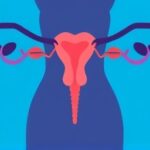
In parallel, MedicalNewsToday tackles endometriosis, impacting 1 in 10 women worldwide and causing excruciating pelvic pain. Experts Dr. Lisa Chen, obstetrician-gynecologist at Cleveland Clinic, and Dr. Amir Patel, endometriosis surgeon, dismantle 10 pervasive myths.
Laparoscopy Is the Gold Standard—Not Just Painkillers
Myth: “It’s normal period pain.” Reality: Endometriosis involves tissue growth outside the uterus, confirmed only by surgery in 90% of cases. Untreated, it raises infertility risk by 30-50%.
Key debunkings:
- Hormonal birth control cures it: Suppresses symptoms temporarily; lesions persist.
- It’s rare in teens: 10% of adolescents suffer, often misdiagnosed as cramps.
- Diet alone fixes it: Anti-inflammatory foods help manage, but excision surgery is definitive.
- Menopause ends it: 20% see recurrence post-hormonal changes.
Dr. Chen emphasizes: “Average diagnosis delay is 7-10 years due to these myths. Awareness saves lives.” The piece includes patient stories, like a 32-year-old enduring 12 years of misattributed pain, and emerging therapies like targeted hormone blockers showing 80% symptom relief in trials.
Strategies to Update Mistaken Health Beliefs and Combat Misinfo
Returning to the podcast, Lewandowsky and Yu provide a roadmap to update mistaken beliefs. “Continued influence interventions”—prebunking myths before exposure—reduce belief by 25%, per randomized trials. Techniques include:
Step 1: Fact-check with sources. Use sites like MedicalNewsToday, CDC, or WHO, which cite peer-reviewed studies.
Step 2: Graphic warnings. Visual cues labeling info as false work better than text alone, cutting shares by 50%.
Step 3: Emphasize facts. Rebuttals should lead with truth, then myth, avoiding repetition that reinforces errors.
Yu shares a success story: Australia’s 2022 campaign against diabetes myths reached 5 million, boosting accurate knowledge by 35%. For chronic conditions like IBS and endometriosis, they advocate patient education portals to counter forums rife with anecdotes.
Statistics paint a stark picture: WHO estimates misinformation costs $100 billion annually in avoidable treatments. Yet, optimism prevails—AI tools for real-time debunking are in development.
Public Health’s Next Frontier: Building Resilience Against Health Misinformation
As MedicalNewsToday leads with these resources, the path forward involves policy and education. Governments are piloting school programs on media literacy, while platforms like Meta commit to labeling health claims. Lewandowsky predicts: “By 2030, cognitive inoculation could halve myth adherence.”
For IBS and endometriosis sufferers, these myth-busting articles signal a shift toward empowered self-advocacy. Readers are urged to consult professionals, track symptoms via apps, and join clinical trials—over 200 for endometriosis alone in 2024.
Ultimately, fortifying defenses against false health info isn’t just personal; it’s a societal imperative. With experts like these guiding the way, we can update mistaken views and foster a healthier information ecosystem.