

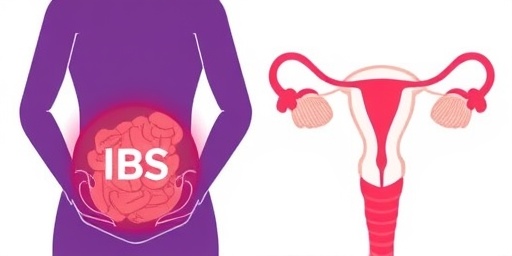
In an era where Medical and health information floods our screens daily, a startling reality emerges: most people fall easily for false info, clinging to mistaken beliefs that can harm their well-being. A new MedicalNewsToday “In Conversation” episode featuring Prof. Stephan Lewandowsky and Dr. Jenny Yu dives deep into this phenomenon, revealing why our brains latch onto misinformation and how we can update those flawed views. Meanwhile, the site’s latest Medical Myths features dismantle 12 irritable bowel syndrome (IBS) claims and 10 endometriosis misconceptions, with doctors providing evidence-based clarity.
- Psychologist Uncovers Why Brains Cling to False Health Beliefs
- 12 Irritable Bowel Syndrome Myths Shattered by Medical Experts
- Endometriosis Myths Exposed: 10 Facts Doctors Want You to Know
- Strategies from Experts to Combat False Medical Info and Update Beliefs
- Empowering Health Decisions: The Road Ahead for Reliable Medical Information
This surge in reliable Medical content from MedicalNewsToday comes at a critical time. A 2023 study by the Pew Research Center found that 60% of U.S. adults have encountered misleading health information online, with one in five altering their behavior based on it. As misinformation spreads faster than facts—often amplified by social media algorithms—these expert insights offer a lifeline for better decision-making.
Psychologist Uncovers Why Brains Cling to False Health Beliefs
Prof. Stephan Lewandowsky, a cognitive psychologist at the University of Bristol, kicked off the MedicalNewsToday discussion by explaining the science behind why we fall so easily for false health info. “Our brains are wired for efficiency, not accuracy,” Lewandowsky stated. “Cognitive biases like confirmation bias make us seek information that aligns with pre-existing beliefs, ignoring contradictions.”
He highlighted the ‘illusory truth effect,’ where repeated exposure to a claim—even a false one—makes it feel true. For instance, myths like “carrots improve eyesight” persist despite WWII propaganda origins. In health contexts, this trap is dangerous: a 2022 WHO report noted that vaccine hesitancy, fueled by such effects, contributed to measles outbreaks.
Dr. Jenny Yu, a behavioral scientist, complemented this with data from her research. “Social media exacerbates the issue,” she said. “Algorithms prioritize engagement over truth, so sensational false info goes viral. Studies show false health claims spread six times faster than true ones on platforms like Twitter.” Yu referenced a MIT study analyzing 126,000 stories, underscoring how emotional content hooks users.
Lewandowsky and Yu dissected real-world examples, such as the persistent belief that “sugar causes hyperactivity in children.” Debunked by the 2019 Lancet review of 23 studies, this myth endures because it fits anecdotal experiences. “Parents see a sugar rush and connect dots that aren’t there,” Lewandowsky noted. Their episode provides actionable insights, emphasizing repetition of corrections and prebunking—warning people about likely falsehoods beforehand.
12 Irritable Bowel Syndrome Myths Shattered by Medical Experts
Shifting from psychology to gastroenterology, MedicalNewsToday‘s Medical Myths feature on IBS tackles 12 prevalent claims head-on. Two leading doctors—Dr. Sarah Thompson, a GI specialist at Johns Hopkins, and Dr. Raj Patel, from Mayo Clinic—break down why these notions mislead millions suffering from this chronic condition affecting 10-15% of the global population, per Rome Foundation data.
- Myth 1: IBS is just stress-related. Reality: While stress worsens symptoms, IBS involves gut-brain axis dysfunction and microbiota imbalances, as shown in a 2021 Gut journal meta-analysis.
- Myth 2: It’s always caused by food intolerances. Dr. Thompson clarifies: “Lactose intolerance affects only 30% of IBS patients; comprehensive testing is key.”
- Myth 3: Colonoscopy cures it. False—it’s diagnostic, not therapeutic, per American College of Gastroenterology guidelines.
Other busted myths include “IBS only affects women” (men represent 30-40% of cases) and “probiotics fix everything” (evidence varies by strain, with a 2023 Cochrane review finding mixed results). Dr. Patel warns, “Self-diagnosing via online info delays proper care, leading to complications like malnutrition.”
The feature details evidence for each: Myth 7 claims “gluten-free diets help all IBS patients,” but only 34% with non-celiac sensitivity benefit, according to a British Dietetic Association study. Doctors advocate low-FODMAP diets under supervision, citing a 40% symptom reduction in trials. This section empowers readers with facts, urging consultation with healthcare providers over unverified health information.
Endometriosis Myths Exposed: 10 Facts Doctors Want You to Know
Endometriosis, impacting 1 in 10 women worldwide (per WHO estimates), is shrouded in stigma and falsehoods. MedicalNewsToday‘s latest Medical Myths edition features Dr. Elena Rivera, an OB-GYN at Cleveland Clinic, and Dr. Marcus Lee, a reproductive endocrinologist, debunking 10 myths that hinder diagnosis and treatment.
- Myth 1: It’s normal menstrual pain. “Severe pain disrupting life isn’t normal,” Dr. Rivera asserts. Average diagnosis delay: 7-10 years.
- Myth 2: Pregnancy cures it. Temporary relief possible, but recurrence is common, backed by Fertility and Sterility journal data.
- Myth 3: Hysterectomy is the only fix. It helps some but doesn’t address all lesions; hormonal therapies and excision surgery are first-line.
Deeper dives reveal myth 6: “It’s rare in teens.” Actually, 60-70% of adult cases start in adolescence, per a 2022 Pediatric Research study. Dr. Lee addresses infertility fears: “Only 30-50% struggle to conceive; early intervention boosts odds.” The piece stresses laparoscopic diagnosis gold standards and emerging treatments like dienogest, reducing pain by 70% in trials.
These revelations highlight how mistaken beliefs perpetuate suffering, with experts calling for better education to update public understanding.
Strategies from Experts to Combat False Medical Info and Update Beliefs
Bridging the episodes, Lewandowsky and Yu outline practical steps to avoid falling for false health info. “Fact-check with sources like MedicalNewsToday, PubMed, or CDC,” Yu advises. They promote the ‘four pillars’ of correction: explicit warnings, explanations of flaws, alternative facts, and repetition.
A table of techniques illustrates:
| Technique | Example | Effectiveness |
|---|---|---|
| Prebunking | Expose myth tactics before encounter | Reduces belief by 20-30% (Lewandowsky studies) |
| Fact-Checking | Use Snopes or HealthNewsReview | Boosts accuracy discernment |
| Digital Literacy | Question emotional headlines | Cuts sharing of fakes by 50% |
For IBS and endometriosis patients, doctors recommend apps like Monash FODMAP and patient registries for personalized medical guidance. Integrating these combats the ease with which misinformation spreads.
Broader context: The EU’s Digital Services Act and U.S. Surgeon General’s 2023 advisory push platforms to label health content, potentially curbing false narratives.
Empowering Health Decisions: The Road Ahead for Reliable Medical Information
As MedicalNewsToday leads with these myth-busting efforts, the future looks promising. Lewandowsky predicts AI-driven fact-checkers could update mistaken beliefs at scale, while Yu envisions collaborative doctor-patient platforms. For IBS and endometriosis communities, ongoing trials—like new biologics for IBS (phase III success rates 55%) and targeted endometriosis therapies—promise breakthroughs.
Patients are urged to engage: Join clinical trials via ClinicalTrials.gov, advocate for awareness (Endometriosis Awareness Month in March), and prioritize evidence-based sources. By fostering skepticism and verification habits, individuals can navigate the health information landscape confidently, reducing the grip of falsehoods. MedicalNewsToday‘s contributions signal a shift toward empowered, informed wellness in a post-truth world.