

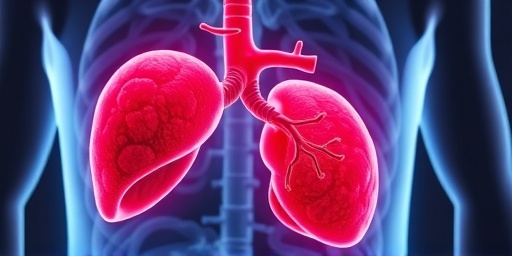
A surprisingly common liver disease is silently ravaging the Health of up to 100 million Americans, making it one of the most prevalent chronic conditions in the nation, according to new data from the Centers for Disease Control and Prevention (CDC) and leading hepatologists. This strong epidemic, primarily metabolic dysfunction-associated steatotic liver disease (MASLD)—formerly known as non-alcoholic fatty liver disease (NAFLD)—affects roughly 30% of U.S. adults, yet nine out of ten cases remain undiagnosed. Health experts warn that without immediate action, it could overwhelm hospitals with advanced liver failure cases by the end of the decade.
- Unveiling the Scale: 100 Million Americans Grapple with Undetected Liver Fat
- Metabolic Mayhem: Obesity and Diabetes Fuel the Liver Disease Explosion
- Hidden Symptoms Emerge: From Fatigue to Life-Threatening Complications
- Reversing the Damage: Proven Lifestyle Strategies That Work
- Breakthrough Horizons: New Drugs and National Campaigns on the Rise
The disease builds fat in the liver, disrupting its vital functions and potentially progressing to cirrhosis, liver cancer, or the need for transplants. “It’s the liver disease no one talks about, but it affects millions daily,” said Dr. Rohit Loomba, chief of liver disease research at the University of California, San Diego. Recent studies published in The New England Journal of Medicine highlight how obesity, diabetes, and poor diets have fueled this surge, turning what was once rare into a public Health nightmare.
Unveiling the Scale: 100 Million Americans Grapple with Undetected Liver Fat
The sheer prevalence of this common liver disease shocks even seasoned physicians. A 2023 CDC report estimates that MASLD affects millions, with prevalence rates climbing to 38% among obese adults and over 70% in those with type 2 diabetes. In raw numbers, that’s approximately 100 million people nationwide—more than the population of Mexico—carrying excess fat in their livers without knowing it.
Geographically, the disease hits hardest in the South and Midwest, where obesity rates exceed 35%. A study from the American Association for the Study of Liver Diseases (AASLD) analyzed over 5,000 patients and found that Hispanic Americans face the highest risk at 45% prevalence, followed by non-Hispanic whites at 28% and Blacks at 24%. “This isn’t just a disease of the wealthy or poor; it’s democratized by modern lifestyles,” noted epidemiologist Dr. Arun Sanyal from Virginia Commonwealth University.
- Key Statistics: 25-30% of all U.S. adults; 80-100 million total cases.
- 90% undiagnosed, per National Health and Nutrition Examination Survey (NHANES) data.
- Progression risk: 20% develop fibrosis; 5% reach cirrhosis within 10 years.
Children aren’t spared either. Pediatric MASLD cases have quadrupled since 2000, affecting 10% of adolescents, driven by sugary drinks and sedentary habits. This generational shift underscores the urgency, as early-onset disease accelerates liver damage.
Metabolic Mayhem: Obesity and Diabetes Fuel the Liver Disease Explosion
At its core, this surprisingly common condition stems from metabolic dysfunction. Excess calories, especially from fructose-laden sodas and processed foods, flood the liver with fat, igniting inflammation. The strong link to America’s obesity crisis is undeniable: with 42% of adults obese, per CDC figures, the liver becomes ground zero for metabolic syndrome—a cluster including high blood pressure, insulin resistance, and dyslipidemia.
Diabetes amplifies the threat. Over 37 million Americans have diabetes, and 60-70% of them harbor MASLD. “Insulin resistance forces the liver to store more fat, creating a vicious cycle,” explains Dr. Mary Rinella, AASLD president. Genetic factors play a role too; mutations in PNPLA3 and TM6SF2 genes increase susceptibility, particularly in certain ethnic groups.
- Primary Risk Factors: Obesity (BMI >30), type 2 diabetes, high triglycerides.
- Secondary Contributors: Sleep apnea, hypothyroidism, rapid weight loss medications.
- Environmental Triggers: High-fructose corn syrup consumption, up 1,000% since 1970.
A landmark Framingham Heart Study offspring cohort revealed that even normal-weight individuals with metabolic issues face 40% higher odds. This “lean MASLD” variant affects millions who assume they’re safe, highlighting the disease’s deceptive nature.
Hidden Symptoms Emerge: From Fatigue to Life-Threatening Complications
What makes MASLD so insidious is its stealth. Most victims experience no symptoms for years, earning it the moniker “silent killer.” When signs do appear, they’re vague: chronic fatigue, right-upper abdominal discomfort, or unexplained weight loss. Advanced stages bring jaundice, ascites (fluid buildup), and easy bruising—hallmarks of cirrhosis.
Complications are dire. MASLD accounts for 25% of liver transplants in the U.S., surpassing alcohol-related disease. Hepatocellular carcinoma risk jumps 2-5 times, even without cirrhosis. A 2024 JAMA analysis of 14 million veterans showed MASLD patients had 2.5 times higher cardiovascular mortality, linking liver fat to heart attacks and strokes.
Diagnosis has improved with non-invasive tools:
- FibroScan: Ultrasound-based vibration assessment for fat and stiffness.
- Blood Tests: FIB-4 score using age, ALT/AST enzymes, platelets.
- Imaging: MRI-PDFF for precise fat quantification.
“Routine screening in at-risk groups could save lives,” urges the U.S. Preventive Services Task Force, which now recommends it for diabetics over 40.
Reversing the Damage: Proven Lifestyle Strategies That Work
Hope lies in action. Unlike viral hepatitis, MASLD is largely reversible through lifestyle tweaks. Weight loss of just 7-10% slashes liver fat by 50%, per clinical trials. The Mediterranean diet—rich in veggies, fish, olive oil—outperforms low-fat plans, reducing inflammation markers by 40%.
Exercise is a powerhouse: 150 minutes weekly of moderate activity (brisk walking) improves insulin sensitivity and fat metabolism. A meta-analysis in Hepatology reviewed 20 studies, confirming high-intensity interval training (HIIT) cuts fibrosis scores in 6 months.
“Patients who lose 10% body weight see fibrosis regress in 80% of cases—better than any drug,” says Dr. Loomba.
Practical tips include:
- Cut sugary beverages; switch to water or herbal tea.
- Incorporate 30g fiber daily from oats, beans, nuts.
- Avoid crash diets; aim for 1-2 lbs/week loss.
- Monitor with apps like MyFitnessPal for accountability.
Medications like GLP-1 agonists (e.g., semaglutide, branded as Ozempic) show promise, reducing liver fat by 30-50% in trials, though not yet FDA-approved specifically for MASLD.
Breakthrough Horizons: New Drugs and National Campaigns on the Rise
The pipeline brims with innovation. In March 2024, Madrigal Pharmaceuticals’ resmetirom became the first FDA-approved drug for MASLD with fibrosis, targeting thyroid hormone receptors to burn liver fat. Phase 3 trials report 25% fibrosis improvement. Other contenders: obeticholic acid and lanifibranor, both nearing approval.
Public health ramps up too. The CDC launched a 2024 awareness campaign, “Know Your Liver,” partnering with primary care clinics for free screenings. States like Texas and California mandate MASLD education in diabetes programs. Insurers, including UnitedHealth, now cover FibroScans for high-risk patients.
Looking ahead, experts predict personalized medicine via AI-driven risk calculators and gene therapies. “By 2030, we could halve advanced cases if screening hits 50% coverage,” projects Dr. Sanyal. For the millions affected, early detection and sustained changes offer a path to reclaim health. As obesity trends stabilize, so could this disease‘s trajectory—but vigilance is key.