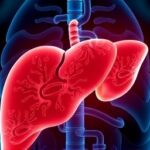

A surprisingly common liver disease is silently ravaging the Health of up to 30 million Americans, with most unaware until it’s potentially too late. Known as metabolic dysfunction-associated steatotic liver disease (MASLD), formerly non-alcoholic fatty liver disease (NAFLD), this condition has surged in prevalence amid rising obesity and diabetes rates, according to the latest data from the Centers for Disease Control and Prevention (CDC) and recent studies published in the Journal of Hepatology.
Experts warn that this liver disease, which affects millions, could overwhelm healthcare systems if unchecked. ‘It’s the most common chronic liver condition in the US today, yet it flies under the radar,’ said Dr. Rohit Loomba, a leading hepatologist at the University of California, San Diego. With no obvious symptoms in early stages, MASLD progresses from fat buildup in the liver to inflammation, scarring, and even liver failure or cancer.
MASLD’s Explosive Rise: From 25% to a National Health Emergency
The numbers are staggering. A 2023 CDC report estimates that MASLD affects millions across all demographics, with prevalence hitting 38% in adults over 40 and soaring to 70% among those with type 2 diabetes. This marks a dramatic increase from just a decade ago, when rates hovered around 25%. Pediatric cases are also climbing, with 10% of children now showing signs of fatty liver, per a study in Hepatology Communications.
What makes this surprisingly common liver disease so pervasive? Lifestyle factors play a starring role. Sedentary habits, ultra-processed diets high in sugars and fats, and the obesity epidemic—now affecting 42% of US adults—create the perfect storm. ‘We’re seeing a strong correlation between metabolic syndrome and MASLD,’ noted Dr. Mary Rinella, vice president of the American Association for the Study of Liver Diseases (AASLD). Metabolic syndrome, characterized by high blood pressure, elevated blood sugar, excess belly fat, and abnormal cholesterol, amplifies risk by fivefold.
- Key Stats: 100 million US adults have liver fat accumulation, per NIH estimates.
- 8-10 million have advanced fibrosis or cirrhosis from MASLD.
- It’s the leading cause of liver transplants in women under 65.
Geographically, the South and Midwest bear the brunt, with states like Mississippi and West Virginia reporting rates exceeding 40%, tied to higher obesity levels. Urban areas aren’t spared; a New York University study found 33% prevalence in diverse city populations.
Why MASLD Stays Hidden: The Deceptive Lack of Early Warning Signs
One of the most insidious aspects of this common liver disease is its stealth. Unlike viral hepatitis with jaundice or acute pain, MASLD often presents with fatigue, mild abdominal discomfort, or nothing at all. ‘Patients come to us with advanced disease because primary care screenings miss it,’ said Dr. Arun Sanyal, a Virginia Commonwealth University liver expert.
Diagnosis typically requires imaging like ultrasound, FibroScan, or MRI, followed by blood tests for liver enzymes (ALT/AST). Yet, routine checkups rarely include these. A 2024 survey by the National Liver Foundation revealed only 15% of at-risk Americans have ever been screened. Genetic factors add complexity; variants in the PNPLA3 gene increase susceptibility, particularly in Hispanic Americans, where rates hit 45%.
Comorbidities compound the issue. MASLD shares a strong link with cardiovascular disease, explaining why liver patients face 2-3 times higher heart attack risk. Insulin resistance drives fat accumulation, creating a vicious cycle. ‘It’s not just a liver problem; it’s a whole-body metabolic disorder,’ emphasized Loomba in a recent CNN Health segment.
Demographic Disparities: Who Bears the Greatest Burden
- Menopausal Women: Estrogen drop accelerates fat buildup; 40% affected post-50.
- Hispanic Populations: Highest rates at 45%, linked to genetics and diet.
- Obese Youth: 1 in 10 kids, rising with sugary drinks consumption.
- Diabetes Patients: 70% prevalence, per ADA guidelines.
These disparities highlight the need for targeted public health campaigns, as underserved communities face barriers to care.
Breakthroughs in Treatment: From Lifestyle to Promising Drugs
Hope is on the horizon for those with MASLD. While no FDA-approved cure exists, management strategies yield results. Weight loss of 7-10% reverses fat buildup in 90% of cases, per a landmark New England Journal of Medicine trial. Mediterranean diets, rich in veggies, fish, and olive oil, outperform low-fat plans.
Exercise is a powerhouse: 150 minutes weekly of moderate activity cuts liver fat by 20-30%, even without weight loss. Pharmacologically, GLP-1 agonists like semaglutide (Wegovy) show strong efficacy. A phase 3 trial reported 60% fibrosis improvement in treated patients versus 20% placebo.
Madrigal Pharmaceuticals’ resmetirom gained FDA approval in 2024 as the first MASLD-specific drug, reducing liver fat and inflammation. ‘This is a game-changer,’ said AASLD President Dr. Rinella. Ongoing trials for obeticholic acid and lanifibranor target advanced stages. Bariatric surgery offers near-cures for severe obesity-linked cases, with 85% resolution rates.
However, access remains uneven. Insurance coverage for FibroScan lags, and drug costs exceed $1,000 monthly. Advocacy groups push for expanded Medicare screening.
Preventing the Surge: Public Health Measures and Policy Shifts Ahead
As MASLD affects millions, prevention is paramount. The CDC advocates sugar taxes and school nutrition reforms, modeled on successful Mexico initiatives that cut soda sales 10%. Workplace wellness programs could screen 50 million at-risk workers.
Experts call for AASLD guidelines mandating liver tests in metabolic syndrome patients. Tech innovations like AI-powered apps for diet tracking and home ultrasound devices promise early detection. A forthcoming NIH-funded study will track 10,000 patients longitudinally, informing national strategies.
Looking ahead, projections are sobering: Without intervention, MASLD could cause 1 million liver transplants by 2030, per British Liver Trust models adapted for the US. Yet, optimism prevails. ‘With awareness and action, we can halt this surprisingly common threat,’ Dr. Sanyal concluded. Individuals can start today: Swap sodas for water, walk daily, and consult doctors for risk assessment. The liver’s regenerative power offers second chances—if we act now.
Stay tuned for updates as research accelerates and policies evolve to combat this ticking health time bomb.