

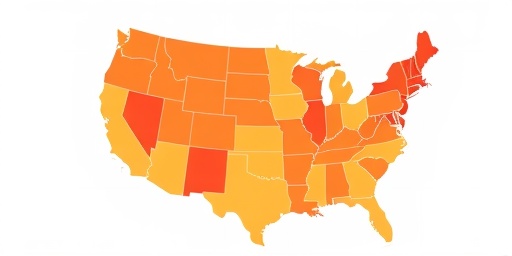
As families across the United States gear up for Thanksgiving gatherings, a welcome wave of economic relief is sweeping the nation. Gas prices have dipped to their lowest levels in months, averaging just $3.10 per gallon nationwide, while the cost of a traditional Thanksgiving meal has fallen by nearly 5%, thanks to plummeting turkey prices and stabilized food prices. This timely drop in inflation signals broader economic improvements, allowing millions of Americans to enjoy the holiday without the sticker shock that plagued last year’s celebrations.
- Gas prices Hit Four-Month Low, Easing Holiday Travel Burdens
- Turkey Prices Tumble 15%, Reviving Affordable Thanksgiving Feasts
- Inflation’s Slowdown Fuels Optimism for Holiday Shopping Surge
- Consumer Savings Strategies Maximize Holiday Budgets Amid Economic Uptick
- Post-Thanksgiving Outlook: Sustained Relief Could Shape 2024 Economy
Gas prices Hit Four-Month Low, Easing Holiday Travel Burdens
The sharp decline in Gas prices is proving to be a game-changer for Thanksgiving travel plans. According to the American Automobile Association (AAA), the national average for a gallon of regular unleaded gasoline now stands at $3.10, down from $3.50 just two months ago. This represents a 11% drop in gas prices over the past 60 days, driven by increased domestic oil production and softening global demand amid economic uncertainties in Europe and Asia.
In key travel corridors like the Northeast and Midwest, where road trips to family homes are common, prices have fallen even further. For instance, in Michigan, a state expecting over 2 million holiday travelers, gas is averaging $2.95 per gallon—a relief for commuters facing long drives through snowy conditions. “This reduction in gas prices couldn’t come at a better time,” said AAA spokesperson Andrew Gross. “With 53 million Americans projected to hit the roads this Thanksgiving, every penny saved at the pump adds up to significant consumer savings for families stretching their budgets.”
Historical data underscores the significance of this trend. Last Thanksgiving, gas prices hovered around $3.70 per gallon, contributing to a 15% spike in overall holiday travel costs. This year, the lower gas prices are expected to save drivers an average of $150 per long-distance trip, according to the U.S. Department of Energy. Regional variations are notable too: California, often hit hardest by high fuel costs, has seen prices drop to $4.50 from $5.20, while Texas enjoys sub-$3 rates in many areas.
Economists attribute this plunge to a combination of factors, including the Federal Reserve’s aggressive interest rate hikes cooling inflation and a bumper crop of U.S. crude oil output reaching 13.2 million barrels per day. However, experts caution that geopolitical tensions in the Middle East could reverse these gains if supply disruptions occur. For now, though, the lower gas prices are injecting optimism into consumer spending, with many using the savings to bolster holiday meal budgets.
Turkey Prices Tumble 15%, Reviving Affordable Thanksgiving Feasts
At the heart of every Thanksgiving table is the turkey, and this year, it’s more affordable than in recent memory. The U.S. Department of Agriculture (USDA) reports that retail turkey prices have dropped 15% year-over-year, with fresh whole turkeys now averaging $1.50 per pound compared to $1.77 last Thanksgiving. This decline in food prices is part of a broader softening in grocery costs, making it easier for households to prepare traditional meals without breaking the bank.
The American Farm Bureau Federation’s annual Thanksgiving market basket survey highlights the impact: the cost of a classic 16-person Thanksgiving dinner for 10 has decreased to $64.05, a 4.5% reduction from 2022’s $67.14. Key contributors include not just cheaper turkeys but also dips in the prices of cranberries (down 12%), sweet potatoes (down 8%), and stuffing ingredients. “Families are thrilled to see these food prices come down,” noted Farm Bureau economist Dr. Michael Walden. “Inflation has been a persistent headache, but this holiday offers tangible consumer savings that could encourage more people to host gatherings.”
Supply chain improvements play a major role here. After avian flu outbreaks ravaged flocks in 2022, leading to shortages and price surges, U.S. turkey production has rebounded strongly. Producers slaughtered 235 million birds this year, up 5% from last year, ensuring ample supply. Retailers like Walmart and Kroger are capitalizing on this with aggressive promotions—some offering turkeys for as low as $0.99 per pound with minimum purchases—further driving down effective food prices for shoppers.
Consumer anecdotes paint a vivid picture of the relief. In a survey by the National Retail Federation, 68% of respondents said lower food prices would influence their decision to travel or entertain guests. One Chicago mother, Maria Gonzalez, shared her story: “Last year, our turkey cost us $60. This time, it’s under $40, and with gas prices lower, we’re actually saving enough to buy extras like pie and wine.” Such savings are particularly vital for low-income families, where food prices had risen 11% annually prior to this cooldown.
Inflation’s Slowdown Fuels Optimism for Holiday Shopping Surge
The drops in gas prices and food prices are symptomatic of a larger narrative: inflation is finally easing its grip on the U.S. economy. The Consumer Price Index (CPI) for October showed a year-over-year increase of just 3.2%, the lowest since early 2021 and well below the 9.1% peak in June 2022. This moderation in inflation is directly benefiting Thanksgiving preparations, as it cascades through supply chains to reduce costs for everything from fuel to fresh produce.
Federal Reserve Chair Jerome Powell recently commented on the trend during a press conference: “We’re seeing meaningful progress on inflation, which is allowing households to redirect funds toward discretionary spending like holiday meals and travel.” Indeed, core inflation—excluding volatile food and energy—has stabilized at 4.1%, suggesting the worst of the post-pandemic surge is over. For Thanksgiving, this means not just cheaper staples but also stabilized prices for non-essentials like dinner rolls and canned goods.
Broader economic indicators support this upbeat outlook. Retail sales rose 0.7% in September, with grocery and fuel categories leading the gains, per the Commerce Department. Analysts from JPMorgan predict that sustained lower inflation could boost consumer savings by an additional $200 billion nationwide by year-end. However, challenges remain: weather-related crop issues in the Midwest could nudge food prices up slightly if droughts persist into winter.
In urban centers like New York and Los Angeles, where living costs are high, the relief is palpable. A report from the Urban Institute notes that inflation’s slowdown has increased disposable income for 40% of city dwellers, enabling more robust Thanksgiving celebrations. Rural areas, too, benefit from local sourcing—farmers’ markets in Iowa and Nebraska are reporting 20% higher attendance as shoppers seek out deals on homegrown turkeys and vegetables.
Consumer Savings Strategies Maximize Holiday Budgets Amid Economic Uptick
With gas prices and food prices on the decline, savvy consumers are adopting strategies to stretch their dollars further this Thanksgiving. Financial advisors recommend apps like GasBuddy for finding the cheapest fuel stops and Ibotta for grocery rebates, potentially yielding up to 20% in additional consumer savings. Banks such as Chase are even offering cash-back rewards on holiday-related purchases, amplifying the economic relief.
A study by Deloitte reveals that 75% of Americans plan to spend more on Thanksgiving this year compared to 2022, buoyed by these price drops. This includes not just meals but also decorations and gifts, signaling a rebound in seasonal commerce. For instance, online searches for “Thanksgiving recipes on a budget” have surged 30% on Google, reflecting a proactive approach to managing inflation’s lingering effects.
Non-profits like Feeding America are also adapting, using the lower food prices to expand meal distribution programs. “The drop in turkey and produce costs allows us to serve 10% more families this holiday,” said their CEO, Claire Babineaux-Fontenot. This ripple effect underscores how macroeconomic improvements translate to social good, ensuring no one is left out of the festivities.
Small businesses, particularly in the food sector, are thriving too. Bakeries in Pennsylvania report a 15% uptick in pie orders, while florists in Florida see increased demand for table centerpieces—all fueled by families feeling the pinch of easing inflation less acutely.
Post-Thanksgiving Outlook: Sustained Relief Could Shape 2024 Economy
Looking ahead, the current trends in gas prices, food prices, and inflation point to a brighter economic horizon beyond Thanksgiving. Economists forecast that if oil production remains robust and global trade stabilizes, gas prices could hover below $3 per gallon through the winter, supporting robust holiday shopping in December. The USDA anticipates continued moderation in food prices into 2024, with overall grocery inflation projected at under 2%—a stark contrast to recent years.
This sustained relief could have lasting implications for consumer savings and economic growth. The Conference Board estimates that every 1% drop in inflation adds $100 billion to household purchasing power annually, potentially averting a recession and spurring job creation in retail and agriculture. For families, it means more financial flexibility heading into the new year, whether for debt reduction or vacation planning.
However, risks loom: Upcoming OPEC meetings could influence global oil dynamics, and any escalation in weather events might affect food supplies. Still, the consensus among experts like those at the Brookings Institution is optimistic: “Thanksgiving 2023 marks a turning point, where economic pressures begin to ease, setting the stage for a more prosperous 2024,” said senior fellow Dr. Karen Dynan. As Americans gather around the table, the spirit of gratitude extends to these tangible signs of recovery, promising a holiday season—and beyond—filled with renewed hope.